
SHOPPING BAG0 ITEMS
Your Tea Basket is Empty
Hand-harvested spring mist greens, rare Keemun blacks, and Song Ru Kiln wares await.
Explore Curated Teas →Notes on harvest, tea master craft, terroir, and gongfu brewing from our high-mountain tea gardens.
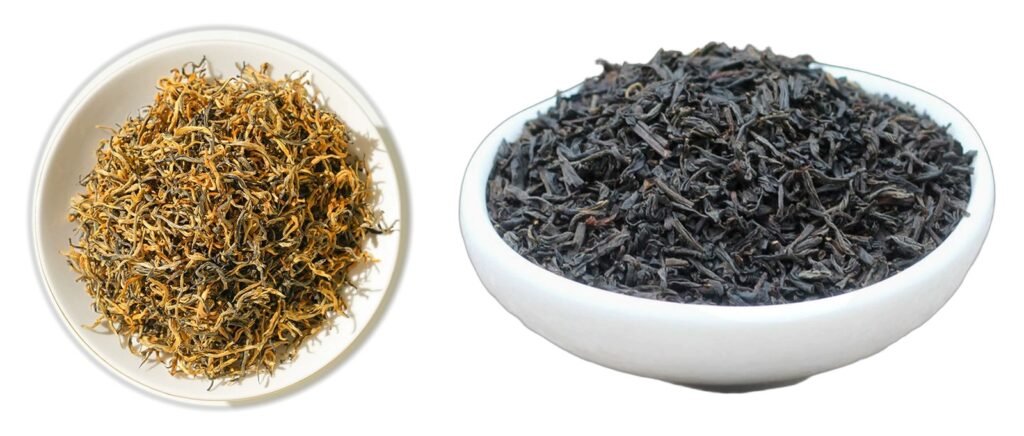
Keemun is Anhui’s honey-and-rose black tea. Dianhong is Yunnan’s golden-tipped, cocoa-sweet black tea. Same country, different bush, different cup.
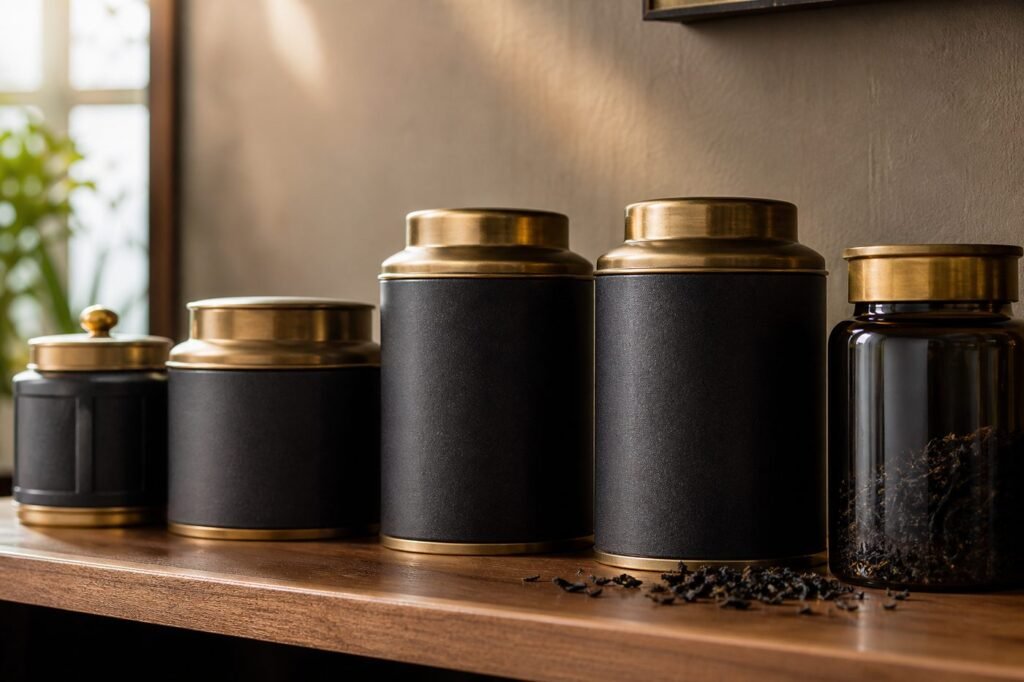
Loose leaf tea goes dull from air, light, heat, moisture, and kitchen odors — not from a printed date. Store Keemun in an opaque airtight tin, skip the fridge, and finish greens faster.
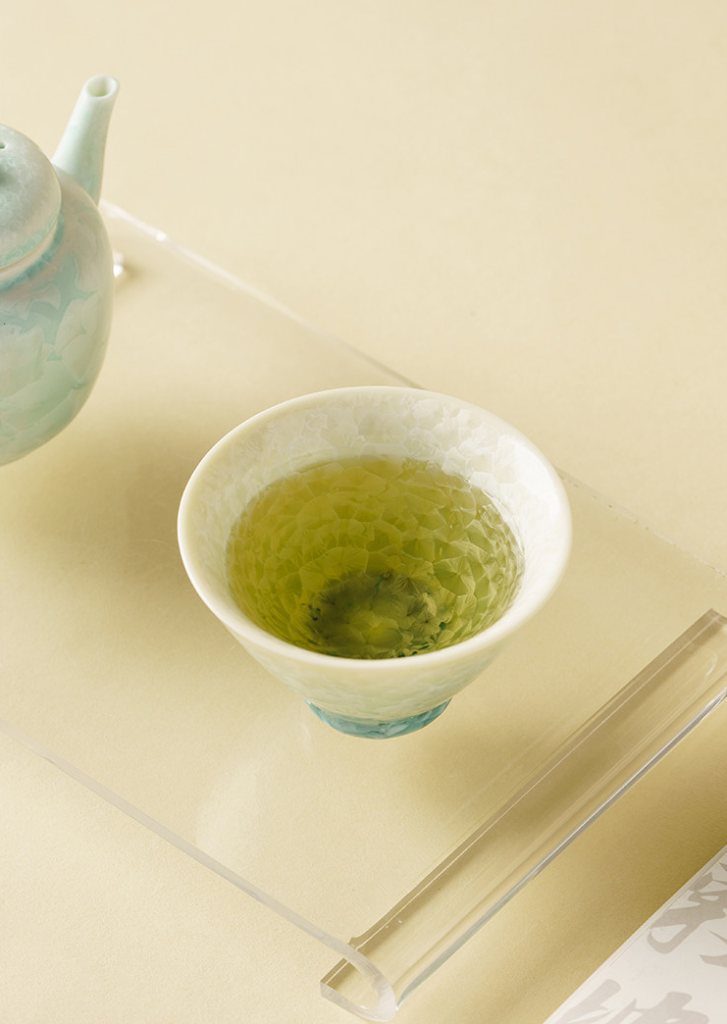
Gongfu at home is a small pot, more leaf, and short steeps — not a costume. Learn the 10-minute ceremony and which teas to pour first.
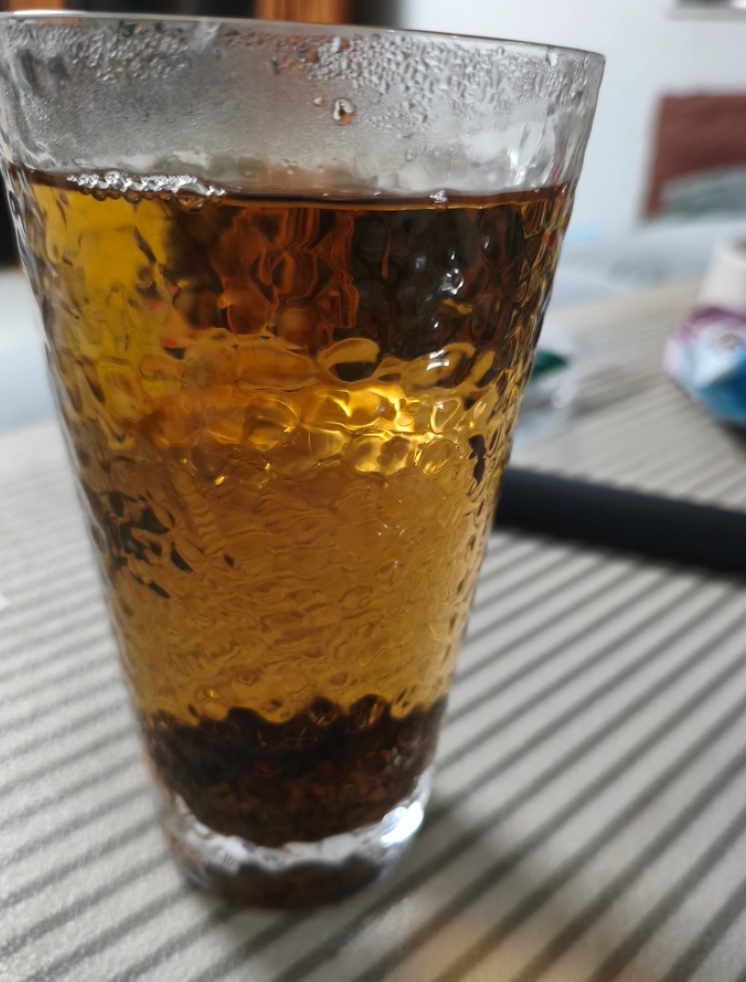
English Breakfast is a blend built for milk. Keemun is a single-origin Chinese black tea built for aroma. Compare taste, caffeine, and when to buy each.
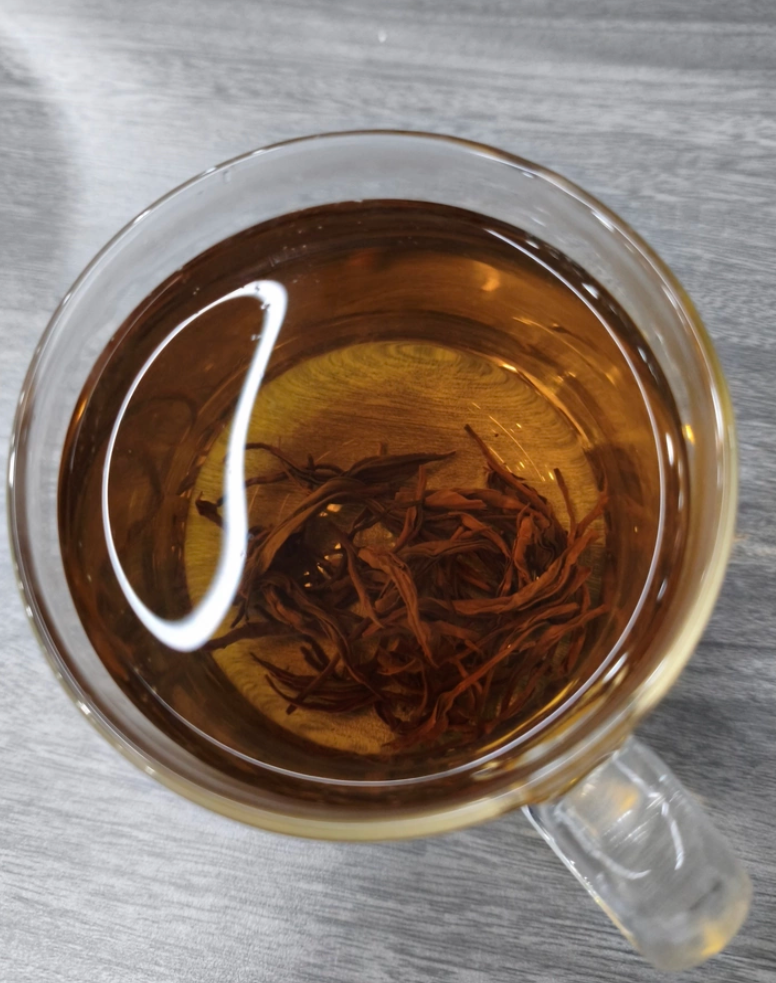
Keemun turns bitter when the water is too hot and the clock runs too long. Use 90–95°C, 3g per mug, and 2.5–3 minutes — or short Gongfu steeps.
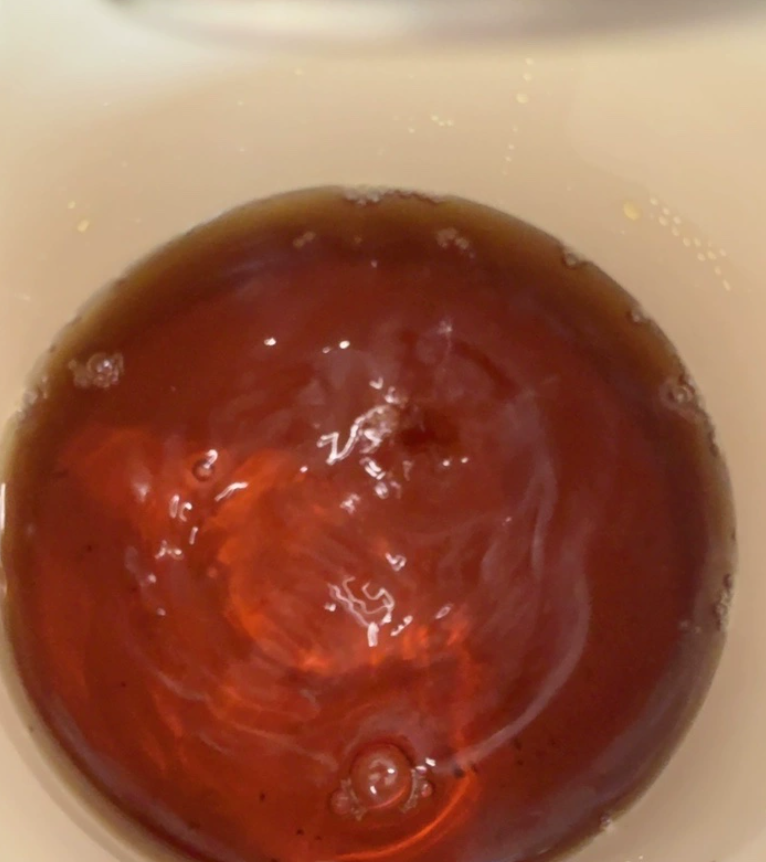
Keemun (Qimen Hong Cha) is China’s honeyed black tea from Anhui — not a breakfast blend, and not smoked Lapsang. Learn flavor, Hao Ya grades, and how to buy the real leaf.
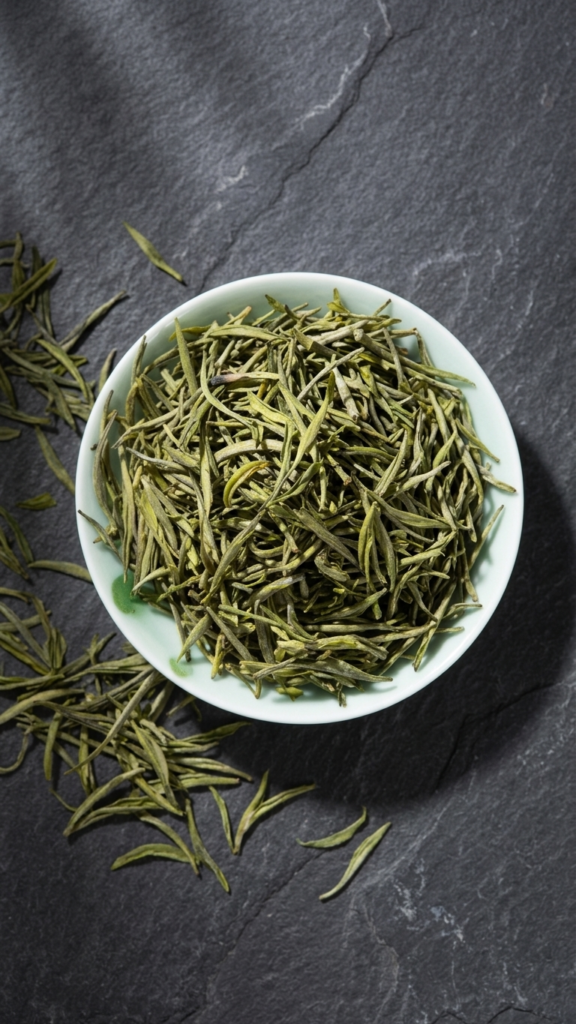
Bitter Chinese green tea is usually boiling water or a long first steep. Brew Huangshan Maofeng at 75–85°C with short steeps for a sweet cup.

Huangshan Maofeng is a loose-leaf Anhui green tea you steep; matcha is a shade-grown green tea powder you whisk. How the two differ in leaf, taste and brewing, and which to try first.

Start Chinese tea from Huangshan with Keemun black tea or Huangshan Maofeng. Origin notes, brew temps, and what Xiangcha packs in Anhui.