
SHOPPING BAG0 ITEMS
Your Tea Basket is Empty
Hand-harvested spring mist greens, rare Keemun blacks, and Song Ru Kiln wares await.
Explore Curated Teas →
Wok-fired Anhui green for weekday mugs — earthy, roasted, and less “show” than Maofeng or Houkui. Here is what Chaoqing means, how it tastes, and when to choose it on a Huangshan shopping map.
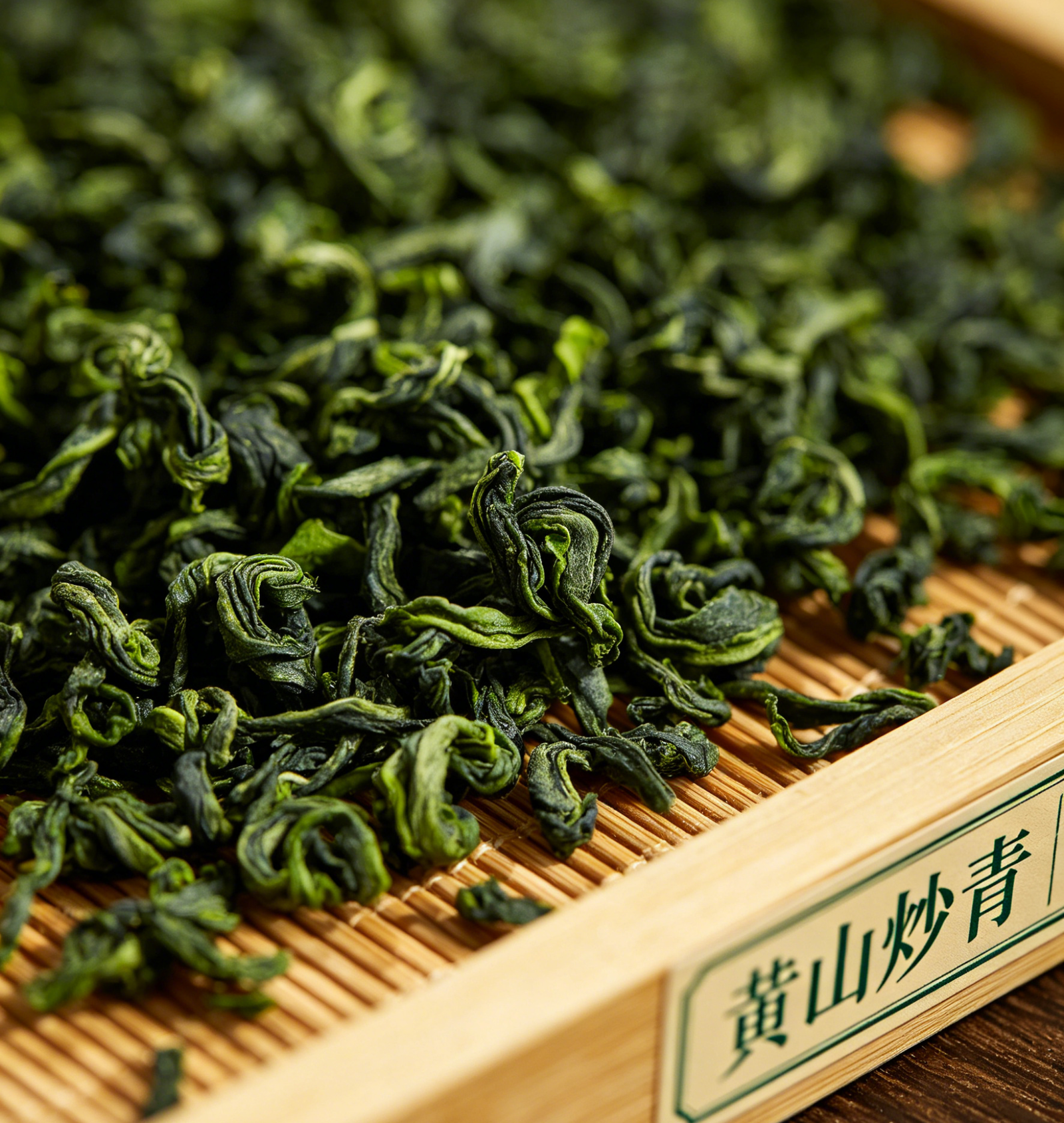
If you have already opened our Huangshan shopping map, you have seen Chaoqing sitting beside Maofeng and Houkui as the everyday green. That is the honest role: not the guest-only spring bud, not the long flat blade in the tall glass — the green you reach for when you want Anhui leaf without saving every gram.
At Xiangcha we pack Premium Huangshan Chaoqing for that weekday cup: traditional wok-frying, a grounded earthy aroma, and a smooth, refreshing finish. This page explains the name, puts three Huangshan greens in one table, and helps you choose.
On a phone, swipe the table sideways to see all three teas.
| Huangshan Chaoqing | Huangshan Maofeng | Taiping Houkui | |
|---|---|---|---|
| Leaf | Everyday twisted green leaf; less “show” than Houkui | Small downy bud-and-leaf twist | Long flat pressed blades |
| Taste | Earthy, roasted, straightforward Anhui green | Floral / chestnut spring green | Orchid-soft, gentle green |
| Liquor | Clear, everyday green-yellow cup | Pale yellow-green, clear | Pale green-yellow, very clear |
| Water care | About 80–90°C; more forgiving than Maofeng | About 75–85°C | About 80–85°C |
| Brew feel | Mug or glass; small handful; resteep | Mug, glass, or gaiwan | Tall glass suits the long leaf |
| Best for | Daily green when Maofeng feels too precious | Morning clarity; green beginners | Visual ritual + soft orchid cup |
Want the full Houkui–Maofeng leaf story? See Taiping Houkui vs Huangshan Maofeng. For dry-leaf cues on Maofeng alone, use How to read Huangshan Maofeng.
Chaoqing (炒青) is a green-tea processing family: the leaf is heated and turned in a hot wok or pan (and often drum-finished) to stop oxidation, shape the leaf, and develop the dry, chestnut-to-roasted aroma Chinese drinkers associate with pan-fired greens. It is not one garden name and not, by itself, a claim of protected origin.
Huangshan Chaoqing on this site means our everyday Anhui green from the Huangshan tea world — wok-fired leaf packed for daily cups. It has no Houkeng-style village pedigree, and it is not one of the Ten Famous Teas. Judge the bag by freshness, dry leaf, and the cup you get.
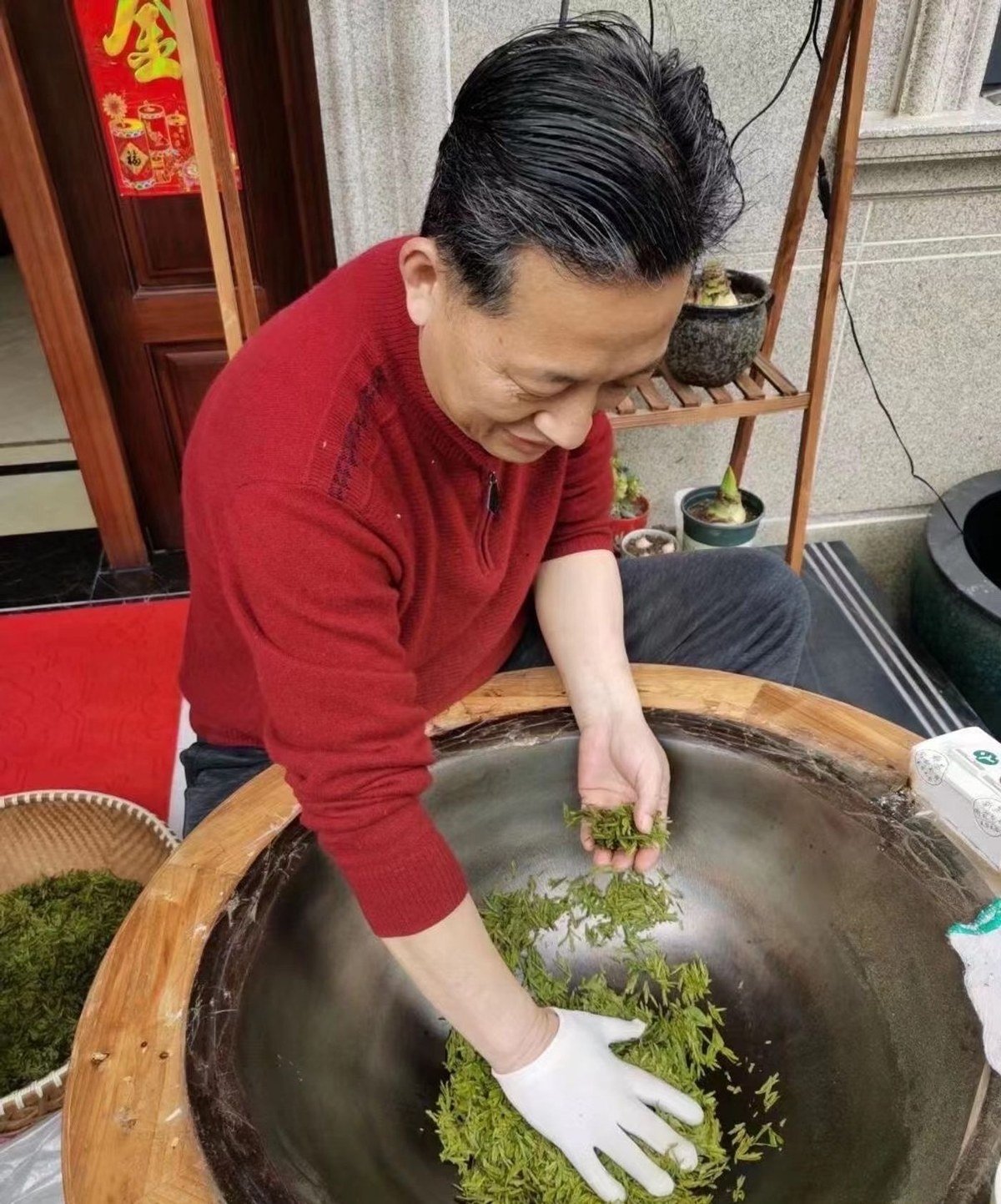
That wok step is why the dry leaf looks twisted and “worked,” and why the cup leans earthy and roasted rather than purely floral. Maofeng and Houkui are also greens from the same mountain culture, but their leaf shapes and cup stories are different — which is why the shopping map keeps Chaoqing in the everyday column.
Expect a grounded, earthy aroma and a smooth, refreshing liquor — the honest farmer’s weekday green rather than a fussy ceremonial leaf. It is forgiving in a mug for an Anhui green: a small handful in a glass, water kept off a hard rolling boil, and resteeps are welcome.
Chaoqing tolerates hotter water than delicate spring Maofeng: about 3 g per 200 ml, 80–90°C, 2–3 minutes. No thermometer? Leave the kettle lid off for about 3 minutes after it boils. Scalding water still makes greens harsh. If the liquor turns bitter, cool the kettle and shorten the steep before you blame the garden — same lesson as our stop bitter tea guide.
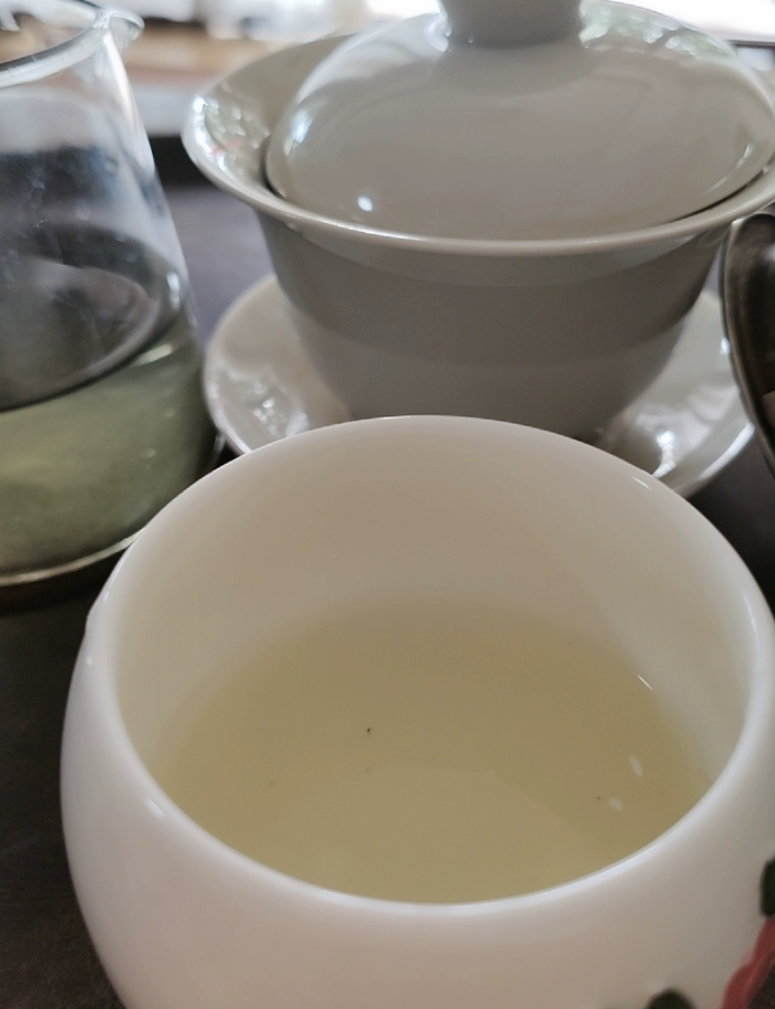
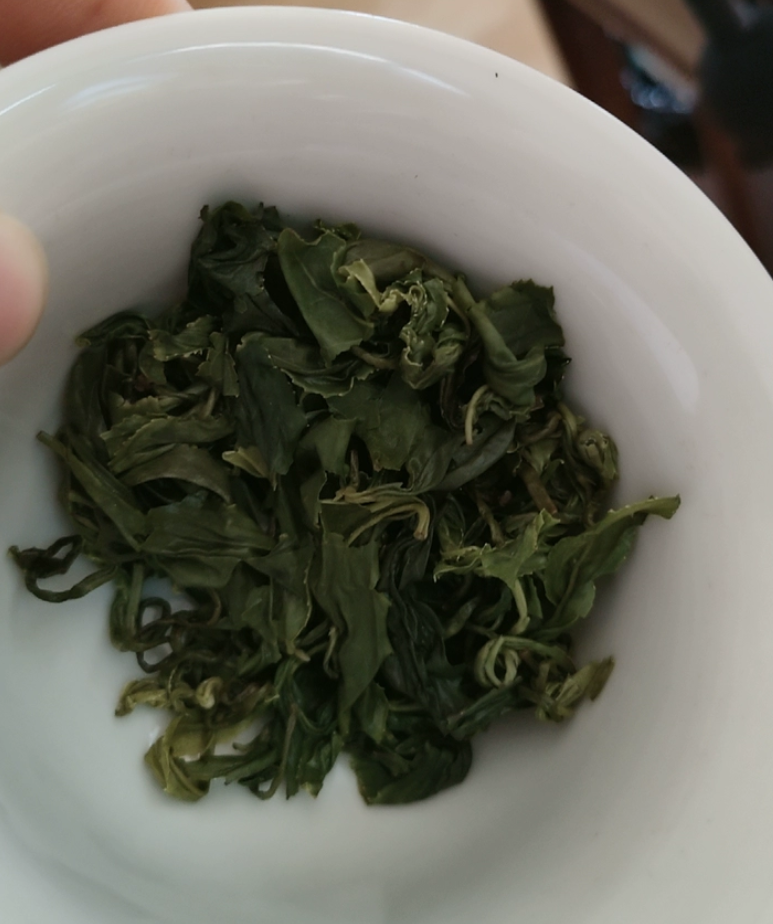
Start with those numbers, then adjust by taste — cooler and shorter if the cup turns sharp, a little longer if it is thin. Step-by-step for the spring green: How to brew Huangshan Maofeng. Store opened leaf airtight and cool: how to store loose leaf tea.
Huangshan and nearby Anhui hills give you more than one green. The practical map on this site is: Keemun for a honeyed, floral black tea; Maofeng or Houkui for floral / orchid greens; Chaoqing for the everyday green beside them. Gongfu ware is optional — a mug is fine for daily Chaoqing if you control the kettle.
If you want the full chooser table (leaf look, taste line, water band, shop links), stay with How to choose Chinese tea from Huangshan. Prefer a broader first-week orientation? See Chinese tea from Huangshan: where to start.
Want the everyday Anhui green in your mug?
Shop Premium Huangshan Chaoqing — wok-fired leaf packed in Anhui for daily steeps. Check the product page for current sizes.
Chaoqing is not trying to out-shine Maofeng or out-pose Houkui. It answers a simpler question: what does an honest Huangshan-region green taste like on a Tuesday morning? Keep the water off a hard boil, and the earthy, roasted liquor will show you.
Huangshan Chaoqing is a wok-fired (pan-fired) Anhui green tea sold as an everyday cup — earthy and roasted, with less “show” leaf than Huangshan Maofeng or Taiping Houkui. Chaoqing (炒青) names the finishing style; this page means the shop’s daily Huangshan-region green, not a protected GI claim.
Both are Anhui greens from the broader Huangshan tea world, but Maofeng is the classic downy bud-and-leaf spring green with a floral / chestnut cup, while Chaoqing is the simpler everyday wok-fired green for repeat mugs. Keep Maofeng for mornings you want the “show” spring character; reach for Chaoqing when you want green without saving every gram for guests.
No. Houkui is the long flat pressed leaf with an orchid-soft cup, often brewed in a tall glass. Chaoqing is an everyday twisted green leaf without that dramatic shape. If the long-leaf photo brought you to Huangshan greens, read what Houkui is before you buy; if you mainly want a daily mug green, Chaoqing or Maofeng is usually kinder.
Use about 3 g per 200 ml at 80–90°C for 2–3 minutes in a glass or mug, and resteep. No thermometer? Leave the kettle lid off for about 3 minutes after it boils. It is forgiving for an Anhui green and suits a weekday mug, but boiling-hot water still makes greens harsh. If the liquor turns bitter, cool the kettle and shorten the steep before you blame the leaf.
Choose Chaoqing when you already like Anhui greens but want something more everyday than premium Maofeng or showpiece Houkui — repeat mugs, not only guests. Choose Maofeng for floral / chestnut spring character; choose Houkui when you will brew the long flat leaf for an orchid-soft cup. The Huangshan shopping map lists all three side by side.
Deepen your tea ritual with authentic terroirs, brewing insights, and artisanal teaware.
Comparing Anhui’s two crowning green teas in aroma, mouthfeel, and cultivar.
Read Guide →Distinguishing authentic Shi Da Cha whole leaves from machine-pressed counterfeits.
Read Guide →Learn why gentle 80°C brewing unlocks sweet L-theanine while taming tannins.
Read Guide →Handcrafted Auspicious Embossed Kungfu Set
