
SHOPPING BAG0 ITEMS
Your Tea Basket is Empty
Hand-harvested spring mist greens, rare Keemun blacks, and Song Ru Kiln wares await.
Explore Curated Teas →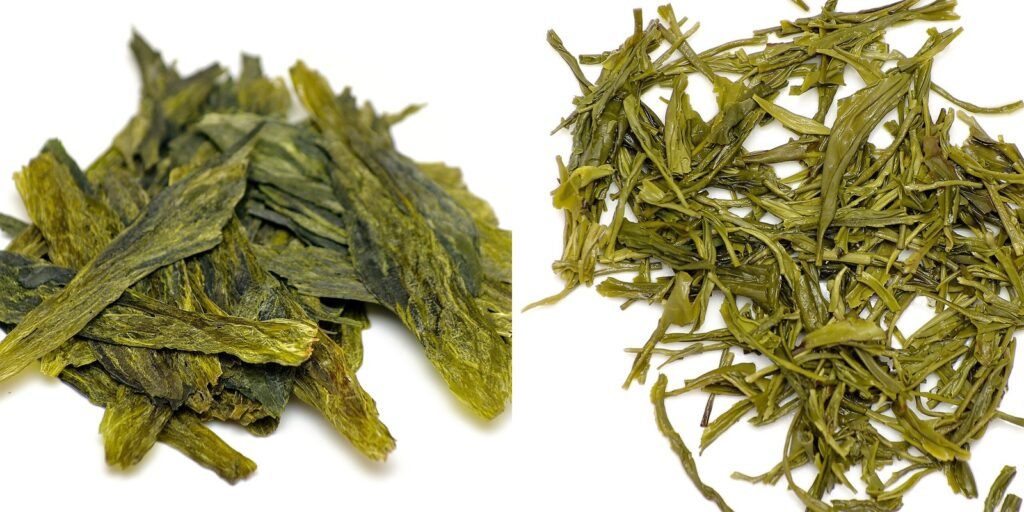
Two green teas, one mountain range. Taiping Houkui is the long flat blade; Huangshan Maofeng is the small downy twist. Here is how to tell them apart, how each one tastes, and how to brew both without scorching the leaf.
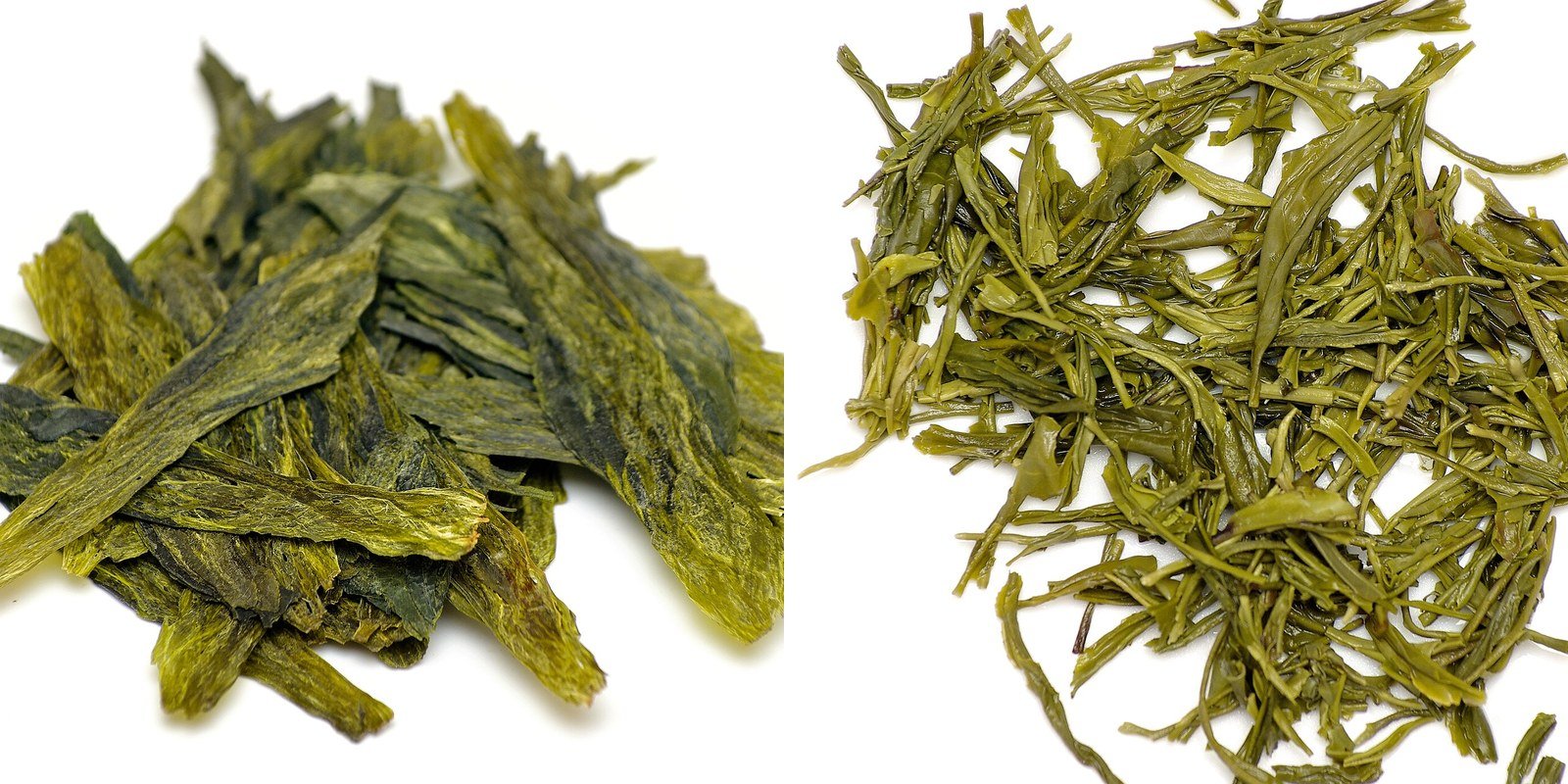
If you have looked at Huangshan green teas for more than five minutes, you have met both names. Taiping Houkui (太平猴魁) and Huangshan Maofeng (黄山毛峰) come from the same range in southern Anhui, both appear on the classic Ten Famous Teas lists, and both are green teas: heated to stop oxidation, then dried. That is where the similarity ends. One is a flat sword of leaf you brew in a tall glass; the other is a small downy twist you can brew in almost anything.
At Xiangcha we pack both, so we get this question a lot: which one should I buy? The honest answer is “the one whose cup you want,” so this page puts the two side by side.
On a phone, swipe the table sideways to see both teas.
| Taiping Houkui | Huangshan Maofeng | |
|---|---|---|
| Origin | Taiping (today’s Huangshan District), on the northern side of the Huangshan range; the Houkeng village area is the classic source | Gardens on and around Huangshan mountain, Anhui |
| Leaf shape | Long, flat, straight blades pressed around the bud; a faint mesh pattern from pressing | Small bud with one or two young leaves, lightly twisted, covered in fine white down |
| Dry leaf color | Deep, even green with a visible midrib | Pale green to ivory-green, silvery with down |
| Aroma | Orchid-like, fresh bean | Fresh, floral, light chestnut |
| Taste | Smooth, gently sweet, light body, long quiet finish | Fresh and sweet, a little brisker, clean finish |
| Liquor color | Pale green-yellow, very clear | Pale yellow-green, clear |
| Water | About 80–85°C (176–185°F) | About 75–85°C (167–185°F) |
| Leaf to water | About 3 g in a 200–250 ml tall glass | About 3 g in 200–250 ml, or 120–150 ml in a gaiwan |
| Steep time | Around 2–3 minutes in a glass | Around 2–3 minutes in a glass; 15–20 s in a gaiwan |
| Re-steeps | 1–2 glasses; about 4–6 short gaiwan cups | 1–2 glasses; about 4–6 short gaiwan cups |
| Price positioning | Wide range; daily lots are mid-range, hand-pressed top lots are premium | Wide range; everyday grades are approachable, early-spring bud grades are premium |
| Best for | Glass brewing, watching the leaf, orchid lovers, a slow afternoon cup | A first Chinese green, mug or gaiwan brewing, a fresh morning cup |
You do not need a tasting panel for this. Open the pouch.
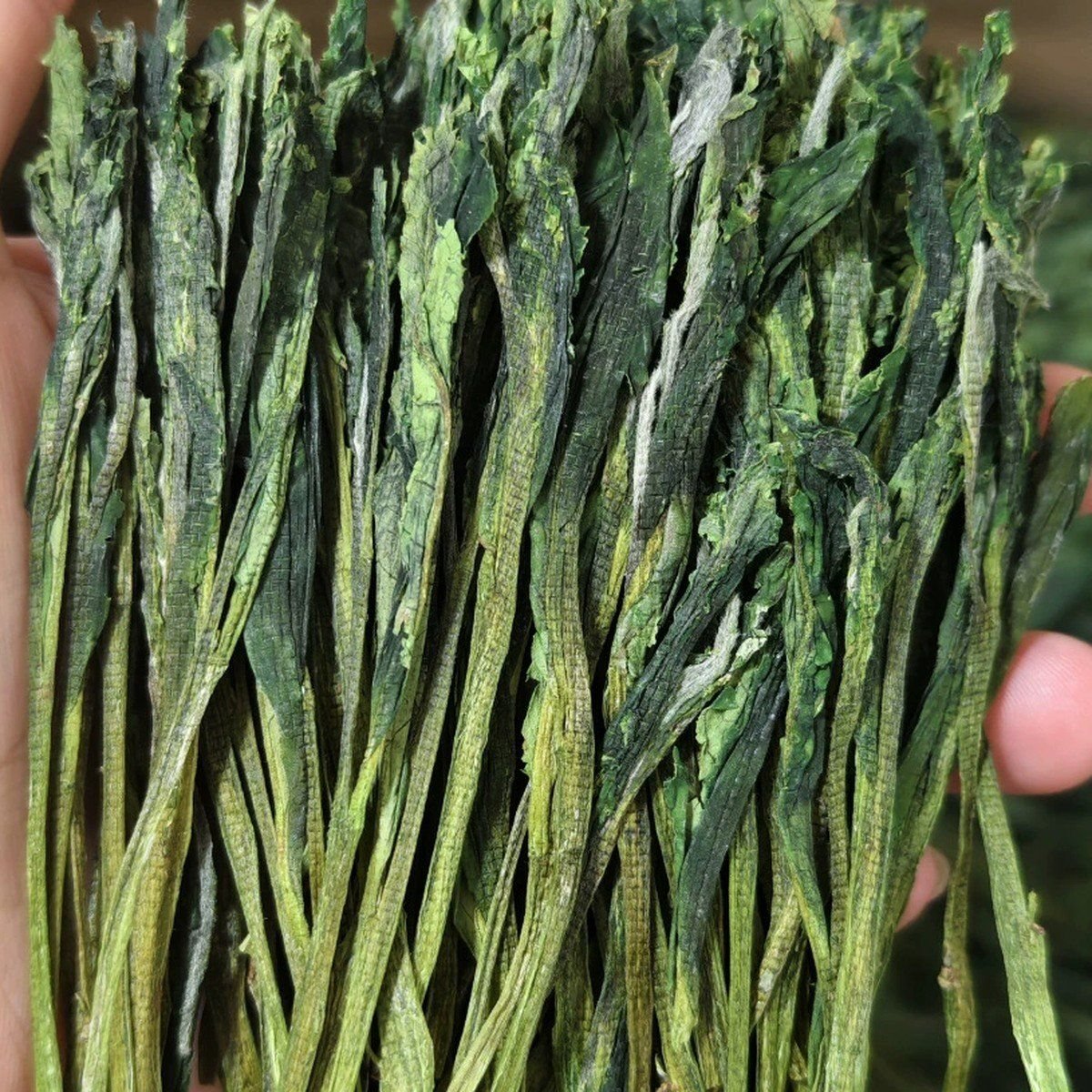
The shape is not decoration. Houkui is pressed flat during drying (traditionally by hand), which is why the leaf stays so long and straight. The full process is in How Taiping Houkui is handmade. For a closer look at Maofeng’s dry leaf and what grades look like, see How to read Huangshan Maofeng.
Houkui is the quieter, rounder cup. The first sniff is orchid-like, then fresh bean. The body is light and smooth, the sweetness builds as the liquor cools, and the finish is long rather than loud. Chinese drinkers say the first infusion is for aroma and the second for flavor, and Houkui fits that well.
Maofeng is brighter. Fresh, sweet, a floral top note, and a light chestnut finish, with a little more briskness than Houkui. It is the cup many people picture when they think “Chinese green tea done well.”
If either one tastes grassy-bitter, do not blame the garden yet. With both teas it is almost always the kettle, too much leaf, or leaf left sitting in the cup. Our stop bitter green tea guide walks through the fix.
The rule for both is the same: no rolling boil. Boil the kettle, then let it rest off the heat, or pour into a cool jug first. After that, the leaf shape decides the vessel.
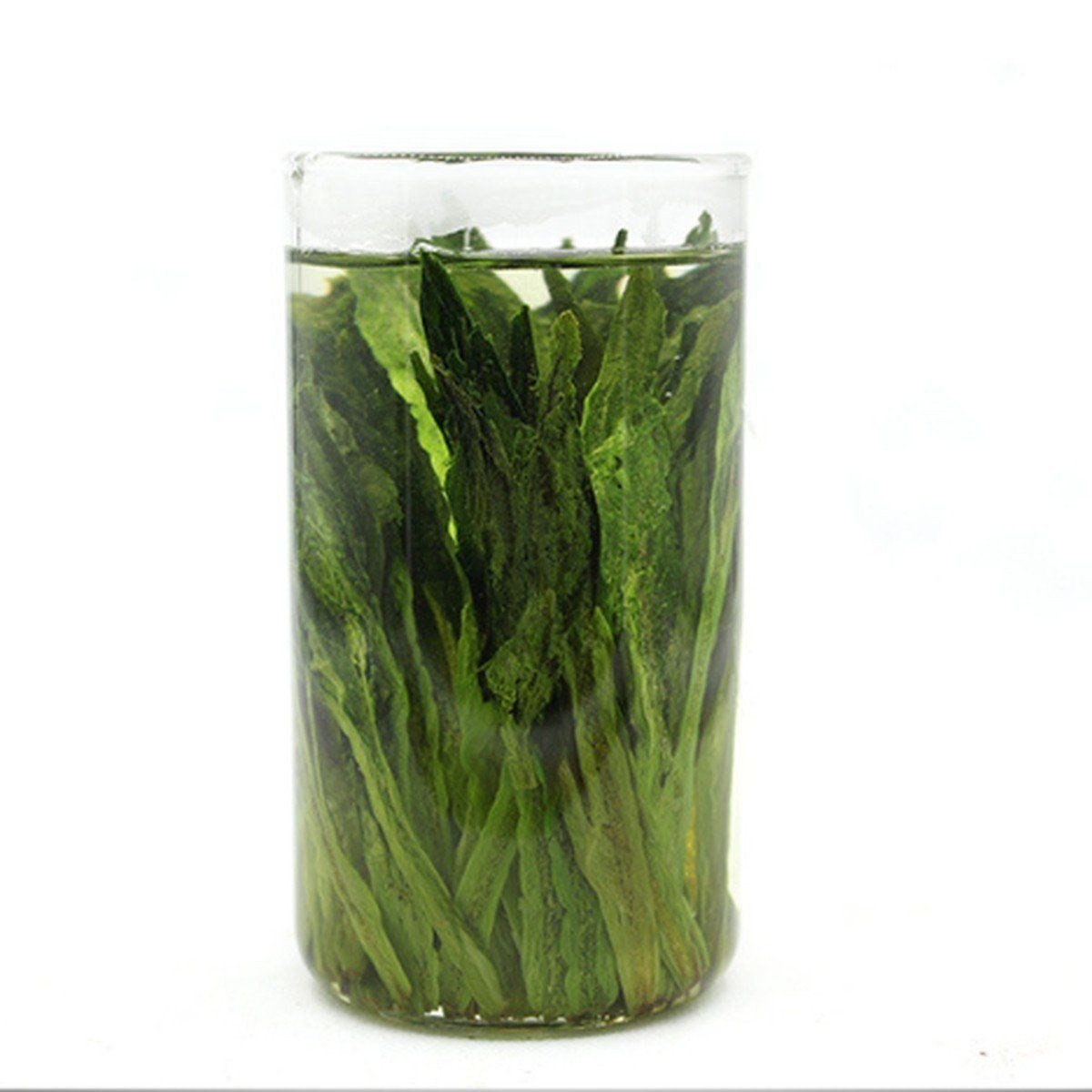
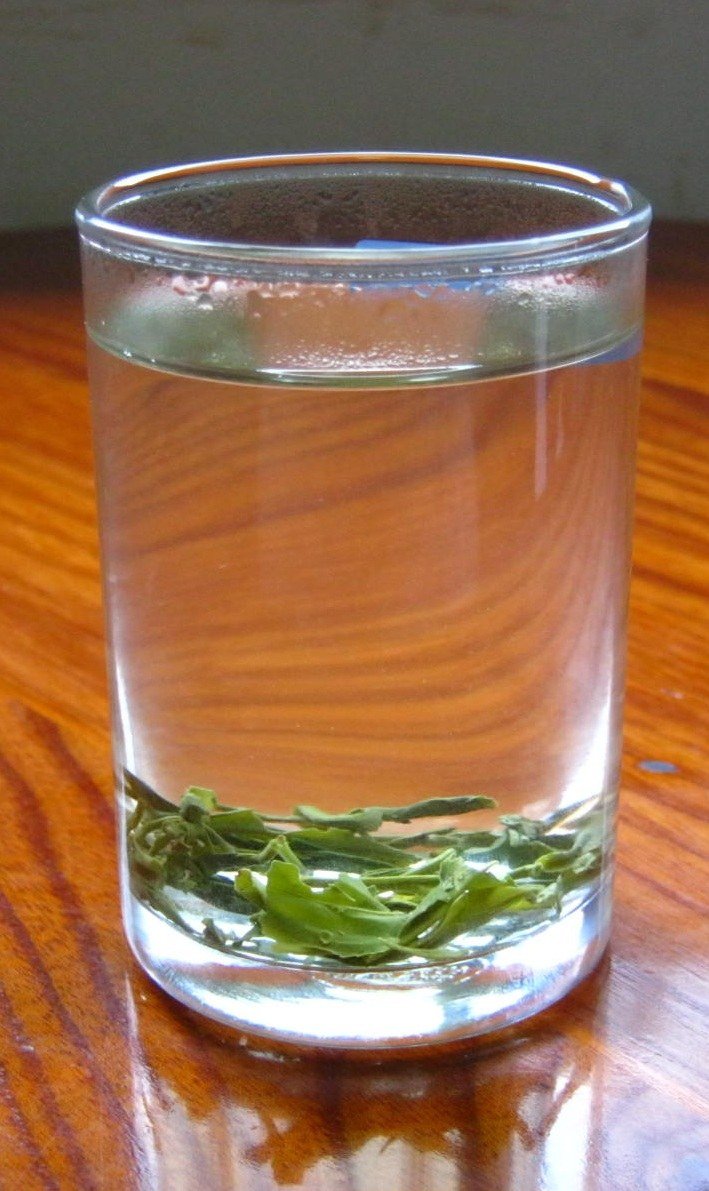
Brewing card: Taiping Houkui
Brewing card: Huangshan Maofeng
Gongfu gear is optional for both. A mug or a glass is a perfectly good start; a gaiwan just gives you more short cups from the same leaf. Step-by-step guides: How to brew Taiping Houkui and How to brew Huangshan Maofeng. If you do want to try the small-pot method, start with Gongfu tea ceremony for beginners.
Both teas are fresh greens, so keep them airtight: sealed pouches hold up for about 6–10 months, but once opened, aim to finish within 4–6 weeks. Keep the leaf airtight, cool, and away from spices: how to store loose leaf tea. Still deciding between green and black from the same mountains? How to choose Chinese tea from Huangshan covers Keemun, Maofeng, Houkui, and Chaoqing together.
Taste the difference in your own glass.
Both teas are packed in Anhui and are the same leaf we brew for these guides. Shop Taiping Houkui · Shop Huangshan Maofeng
Houkui and Maofeng are not rivals so much as two answers to the same question: what does a Huangshan green taste like? One answers with a long flat leaf and an orchid-like hush; the other with a downy bud and a fresh, sweet cup. Keep the water under a boil and either one will show you the mountain.
No. Both are green teas from the Huangshan area of Anhui, but Houkui is made from long leaves pressed flat around the bud, while Maofeng is a small, downy bud-and-leaf twist. Different leaf, different vessel, different cup.
For most people, Maofeng is the easier first Huangshan green: the small leaf fits any mug or gaiwan and the liquor is fresh and sweet. Houkui is a good second step when you want the long flat leaf and an orchid-like note in a tall glass.
Roughly, yes. Both like water around 80°C: about 75–85°C for Maofeng and about 80–85°C for Houkui, never a rolling boil. The bigger difference is the vessel: Houkui wants a tall glass so the long blades can stand.
Usually the water is too hot, there is too much leaf, or the leaf sat too long. Cool the kettle, use about 3 g, and stop at around two to three minutes. Bitterness in these greens is almost always the brew, not the garden.
Yes. Both appear on the classic lists of China’s Ten Famous Teas, alongside Keemun from the same region. Treat the list as cultural shorthand for well-known teas, not a scored ranking.
Deepen your tea ritual with authentic terroirs, brewing insights, and artisanal teaware.
Distinguishing authentic Shi Da Cha whole leaves from machine-pressed counterfeits.
Read Guide →Learn why gentle 80°C brewing unlocks sweet L-theanine while taming tannins.
Read Guide →Best practices to keep whole-leaf green and black teas aromatic for months.
Read Guide →Handcrafted Auspicious Embossed Kungfu Set


