
SHOPPING BAG0 ITEMS
Your Tea Basket is Empty
Hand-harvested spring mist greens, rare Keemun blacks, and Song Ru Kiln wares await.
Explore Curated Teas →
Worth it for a slow orchid glass. Not the everyday value green. Here is when the long leaf earns the price, and when Maofeng or Chaoqing is the better buy.
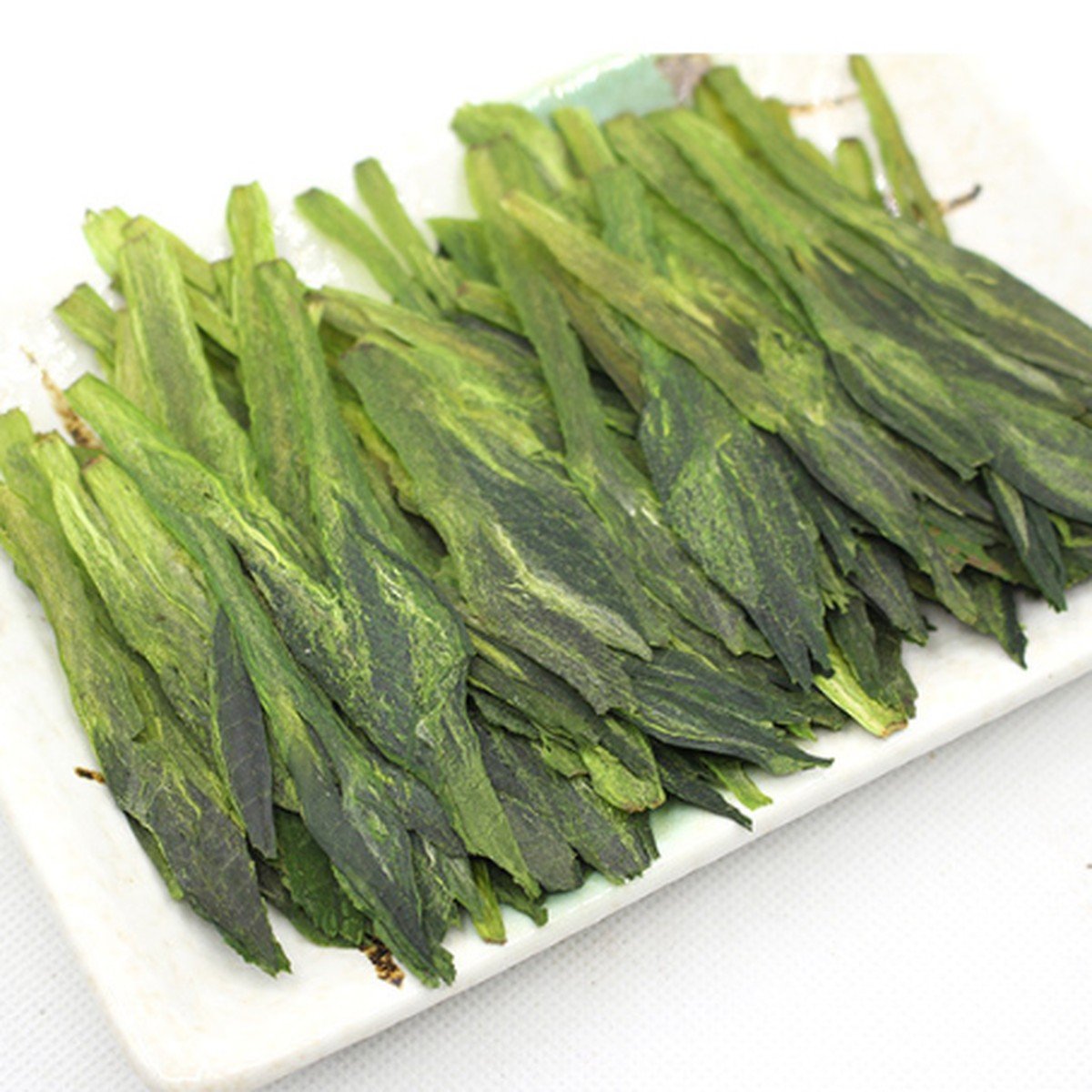
The honest split is simple. Buy Houkui for the leaf you can watch and the soft cup. Do not buy it because a famous-tea list, a monkey mascot, or a dramatic photo made the pouch look like a bargain. This shop packs a daily Taiping lot, not an auction pinch of two leaves — that is how What is Taiping Houkui? describes the same tea.
Sizes and prices change, so check the product page before you order. The shape, the brew, and the “buy the cup, not the picture” rule do not.
Houkui is a green tea: the leaf is heated so it stays green, then pressed flat instead of rolled. On the dry leaf you should see long blades, often two leaves with a bud, deep even green, a clear midrib, and a faint press mesh. In the cup the liquor stays clear and pale, with an orchid note and a sweet finish rather than a grassy bite. That is what to look for, not a brochure medal.
The handmade page shows the first heat as a hand wok toss (kill-green) filmed in Taiping, then pressing so the blade stays a sword. Read the caveat on that same page before you pay extra for the word: a good machine lot can still be long and flat, and a bad handmade lot can still be yellow. Buy the dry leaf and the liquor, not the thumbnail.
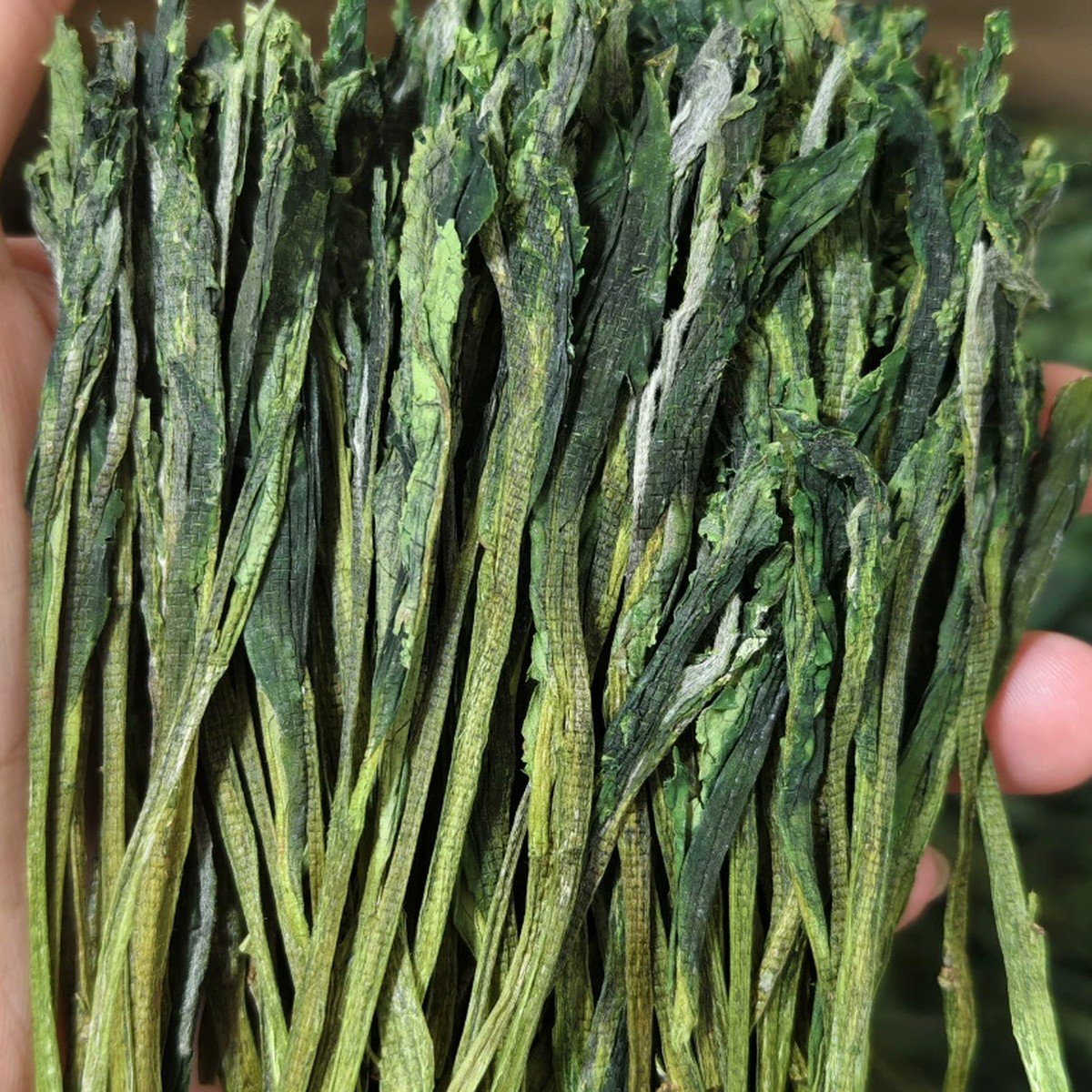
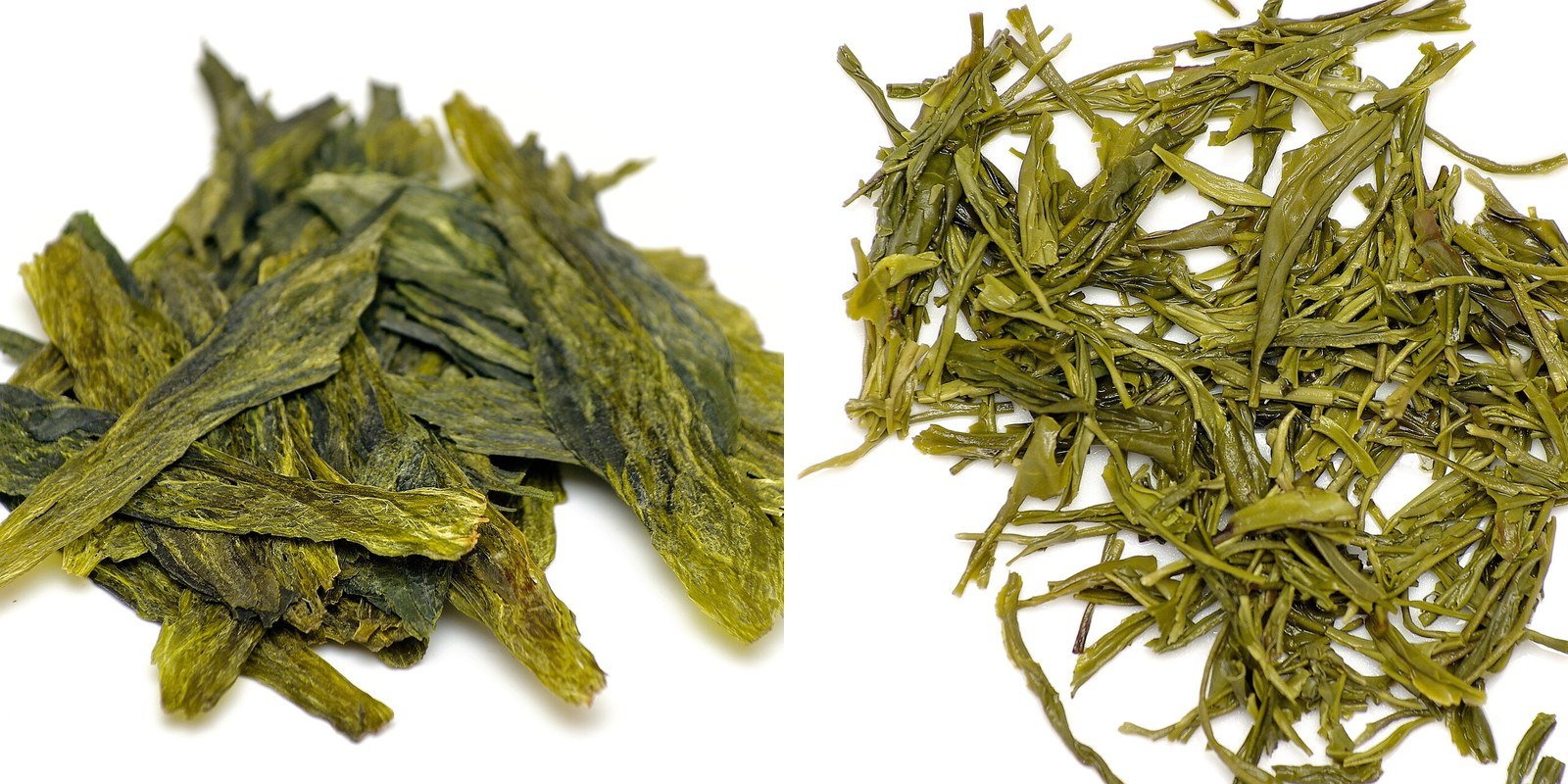
Yes — Taiping Houkui is one of China’s Ten Famous Teas, alongside Huangshan Maofeng and Keemun on the classic lists (compare the two greens in Houkui vs Maofeng). Treat that list as cultural shorthand, not a scored ranking. A list mention does not make this pouch worth the price. If the bag is mostly crumbs, it is not this tea — use how to spot real Taiping Houkui before you spend.
The Taiping Houkui listing is one leaf in three sizes: 15 g, 50 g and 150 g. The 15 g sample is often out of stock, so 50 g is the usual place to start. Current prices and stock are always on the product page.
At the 3 g dose the product page uses, 15 g is about five sessions, 50 g is about sixteen, and 150 g is about fifty, before re-steeps. That is shopper arithmetic (grams divided by 3), not a measured yield.
Compare it with the other greens in the green tea category, which is the comparison that matters:
A contest pinch or a named grade we do not sell is a different purchase with a different price.
As our Huangshan shopping map notes, the dry leaf photographs beautifully, and that beauty is part of the trap. Buy Houkui only if beauty and cup both win.
Use about 3 g, water at 80–85°C (176–185°F), and 2–3 minutes, in a tall glass (about 200–250 ml) or a gaiwan. No thermometer? Leave the kettle lid off for 3–5 minutes after it boils. Full steps: how to brew Taiping Houkui. Pour down the side of the glass and let the blades stand. Do not snap them to fit a tight infuser.
Stop around two to three minutes, then drink off or lift the leaf. Expect 1–2 further glasses, or about 4–6 short gaiwan cups, from the same leaf. A rolling boil is how this tea turns bitter. If the liquor goes harsh, cool the kettle and shorten the steep before you blame the garden — same lesson as stop bitter tea.
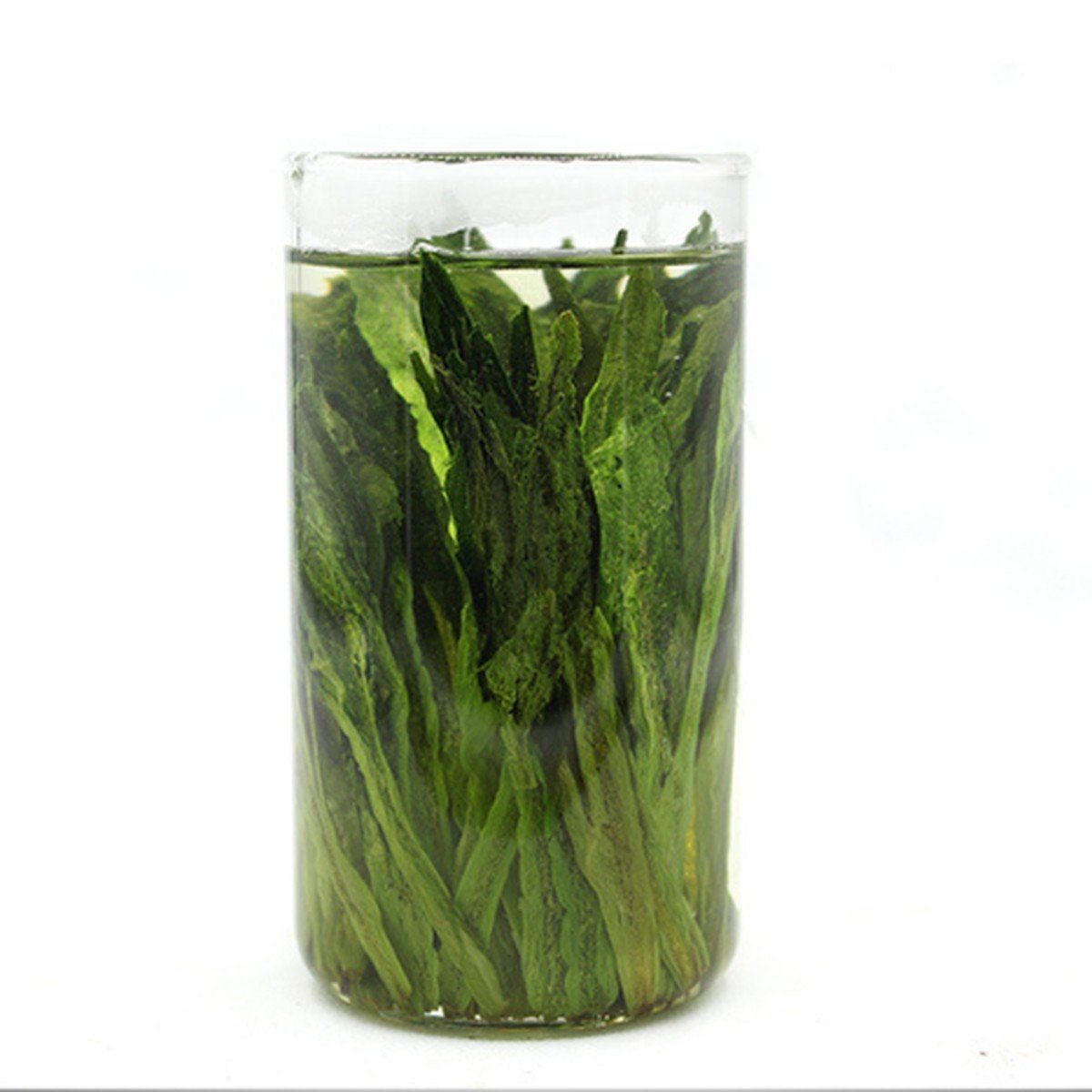
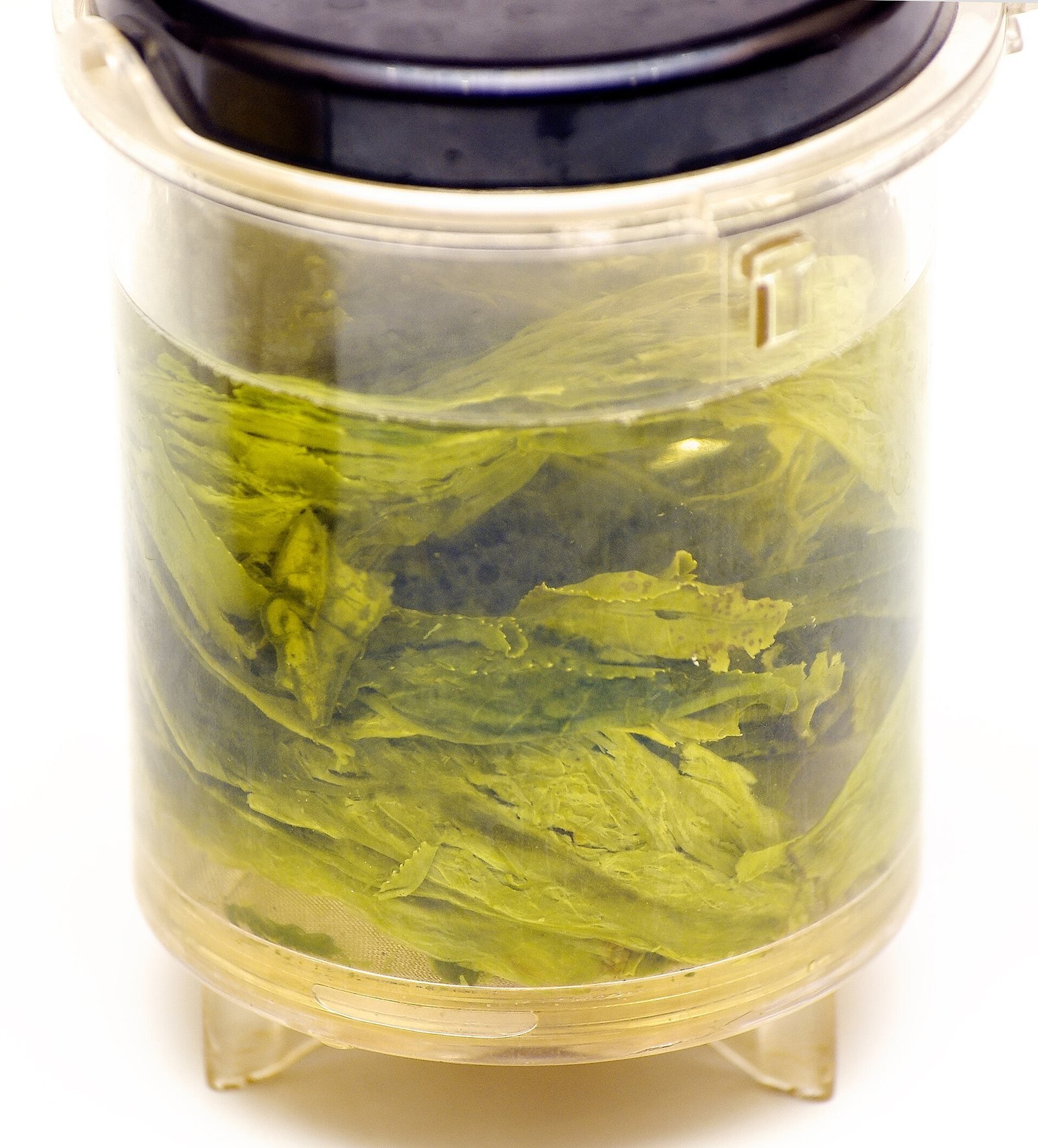
Greens fade faster than Keemun. Keep the pouch airtight, opaque, cool, and away from spices. Sealed, it keeps about 6–10 months; once opened, aim to finish it within 4–6 weeks. Full notes: how to store loose leaf tea.
Use the map, not a medal. Keemun if you want honeyed black in the afternoon. Maofeng if you want the classic downy spring green. Chaoqing if you want the everyday wok-fired mug. Houkui if the long leaf and the orchid liquor are the reason you are here. Read Maofeng’s dry leaf on how to read Huangshan Maofeng if you are choosing between the two greens and the photo is doing the deciding.
Buying the glass ritual, not a weekday tin?
Shop Taiping Houkui — same leaf in every size. Check the product page for current sizes and stock; 50 g is a sensible start. If you will not brew it carefully, start with Maofeng or Chaoqing instead.
Houkui is worth the listed price when the tall glass and the pale orchid liquor are what you wanted. It is a poor spend when you wanted a forgiving daily green and bought the photograph. Keep the water off a hard boil, and the leaf will show you which of those you actually purchased.
Yes, if you will brew the long flat leaf in a tall glass for a pale, orchid-soft liquor. No, if you want an everyday mug green. It is a premium handmade green from Taiping, Huangshan — this shop’s daily lot, not an auction pinch. Check the product page for current prices. For weekday mugs, Maofeng or Chaoqing is usually the better buy.
The listing has three sizes of the same leaf: 15 g, 50 g and 150 g. The 15 g sample is often out of stock, so 50 g is the usual place to start. Prices and stock change, so check the product page before you order.
Choose Chaoqing for everyday Anhui green mugs. It costs far less per gram than Houkui. Choose Maofeng when you want a floral or chestnut green that fits a mug; it is not simply the cheaper tea. Choose Houkui only when you will brew the long leaf for an orchid-soft liquor. If you will resent the price, do not buy the photograph.
Use about 3 g, water at 80–85°C, and 2–3 minutes in a tall glass or a gaiwan, then take the leaf out. For a glass, use about 200–250 ml of water. No thermometer? Leave the kettle lid off for 3–5 minutes after it boils. Do not use a hard rolling boil. If the liquor turns bitter, cool the kettle and shorten the steep. Keep opened leaf airtight, opaque, and cool, and aim to finish it within 4–6 weeks.
Yes. Taiping Houkui and Huangshan Maofeng both appear on the classic lists of China’s Ten Famous Teas, alongside Keemun. Treat that list as cultural shorthand, not a scored ranking. A famous-list mention does not by itself make a pouch worth the price. Buy the dry leaf and the liquor.
Deepen your tea ritual with authentic terroirs, brewing insights, and artisanal teaware.
Comparing Anhui’s two crowning green teas in aroma, mouthfeel, and cultivar.
Read Guide →Distinguishing authentic Shi Da Cha whole leaves from machine-pressed counterfeits.
Read Guide →Learn why gentle 80°C brewing unlocks sweet L-theanine while taming tannins.
Read Guide →Handcrafted Auspicious Embossed Kungfu Set


